Digital Anxiety: Signs, Causes and Simple Ways to Reduce It
Digital anxiety is the stress and worry caused by constant smartphone use, social media, and information overload. Learn the common signs, root causes, and simple strategies to reduce digital anxiety and reclaim your mental wellbeing.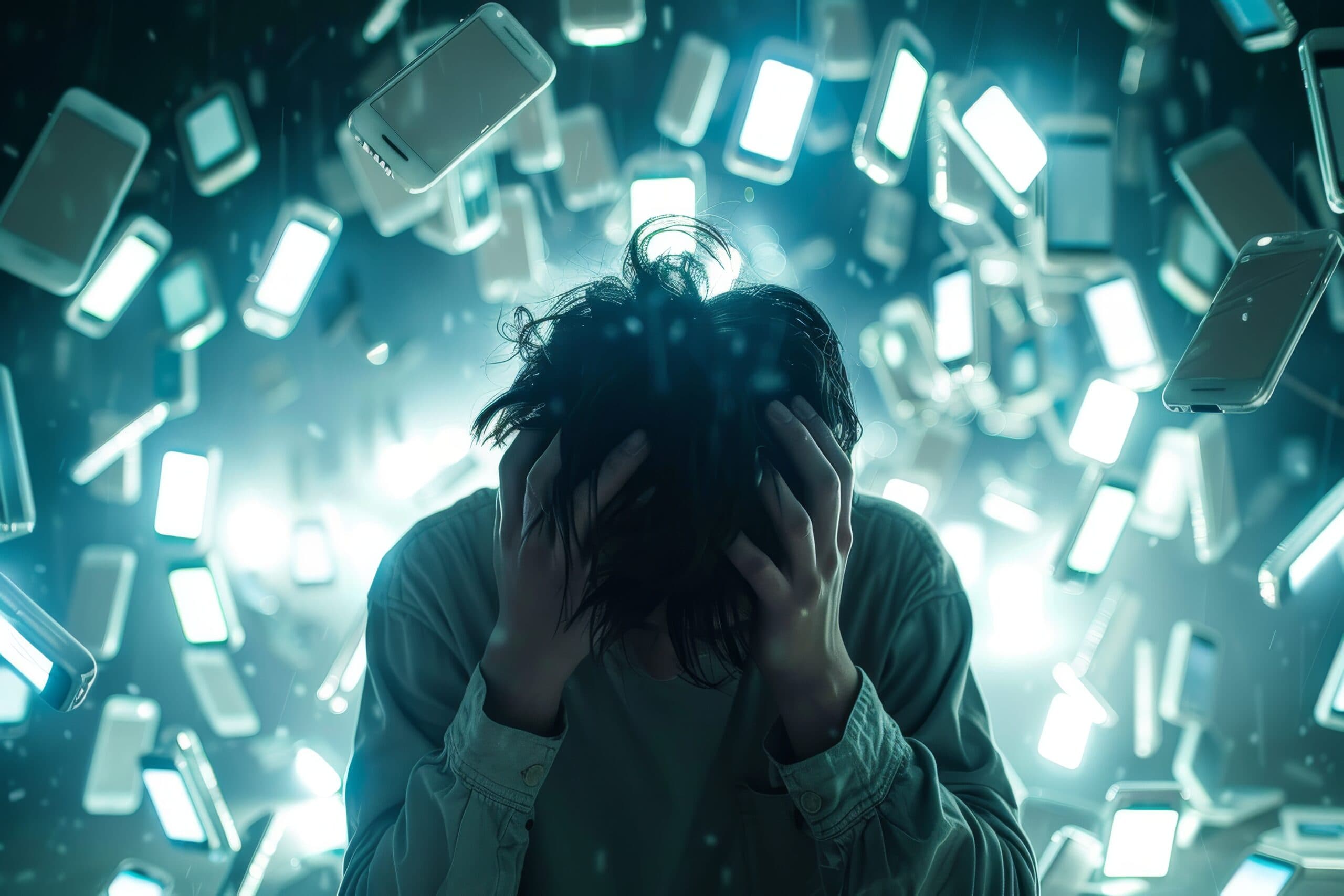
Digital anxiety is a growing problem in today’s hyper-connected world. With smartphones, social media, and constant notifications, many people feel stressed, overwhelmed, and unable to switch off. If you often feel anxious when your phone is not nearby, or if you feel pressured to respond instantly, you may be experiencing digital anxiety.
In this article, we’ll explore what digital anxiety is, why it happens, and practical ways to reduce it. You’ll also learn how to create healthier digital habits and regain control of your mental wellbeing.
What Is Digital Anxiety?
Digital anxiety refers to the stress and worry that comes from using digital devices and being constantly connected. It can include:
- Fear of missing out (FOMO)
- Anxiety from checking notifications
- Stress from social media comparison
- Pressure to respond quickly
- Feeling overwhelmed by information overload
When digital anxiety becomes severe, it can affect your sleep, productivity, relationships, and overall mental health.
Why Digital Anxiety Is Increasing
There are several reasons why digital anxiety is on the rise:
1. Information Overload
We receive endless updates, messages, and news every day. This constant flow of information can make our brains feel overwhelmed and exhausted.
2. Social Media Comparison
Social media often shows only the best moments of people’s lives. When we compare ourselves to these idealized versions, we may feel inadequate, insecure, or unhappy.
3. Blurred Work-Life Boundaries
Many people feel they must be available 24/7. Work emails, messages, and tasks follow us home, making it difficult to relax or disconnect.
4. Fear of Missing Out (FOMO)
FOMO makes us feel that if we don’t check our phones, we might miss something important. This creates constant urgency and anxiety.
Signs You Have Digital Anxiety
If you notice any of these signs, you may be experiencing digital anxiety:
- You feel anxious when your phone is out of reach
- You check your phone first thing in the morning
- You feel guilty after scrolling on social media
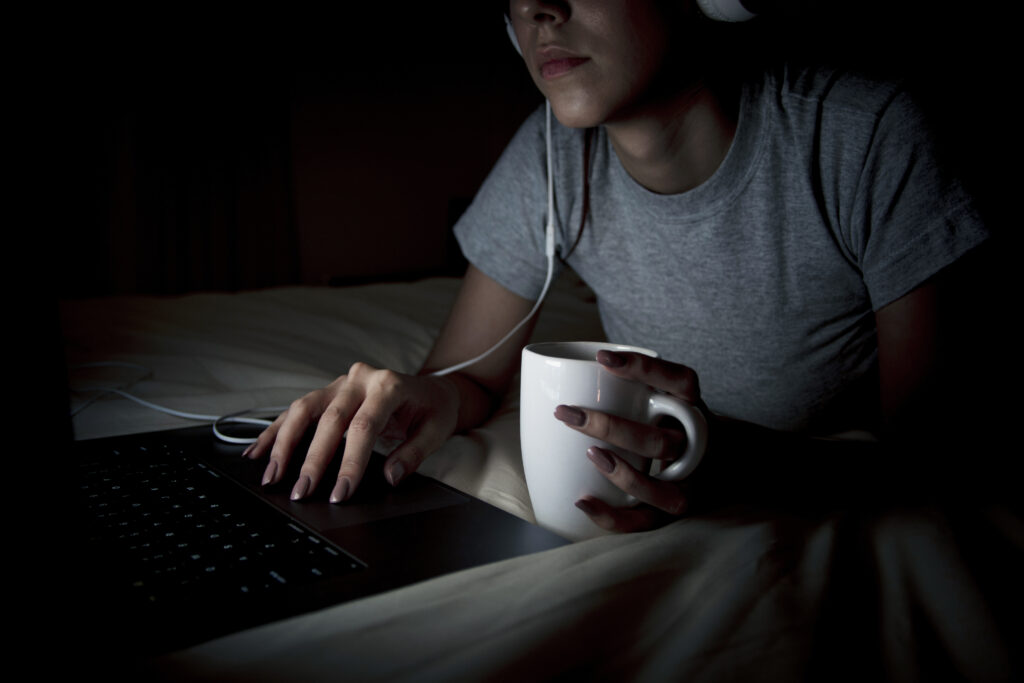
- You sleep late because you’re using your phone
- You feel overwhelmed by messages and notifications
You feel stressed when you can’t respond immediately
How Digital Anxiety Affects Your Health
Digital anxiety can affect both mental and physical health. Some common symptoms include:
- Headaches and eye strain
- Muscle tension
- Poor sleep quality
- Irritability and mood swings
- Difficulty focusing
- Increased stress levels
If left unchecked, digital anxiety can lead to burnout and long-term mental health issues.
10 Practical Ways to Reduce Digital Anxiety
Here are effective strategies to help manage digital anxiety:
1. Set Phone-Free Times
Choose specific times of the day when you do not use your phone, such as during meals or one hour before bed.
2. Turn Off Non-Essential Notifications
Limit notifications to only the most important apps. This reduces the constant urge to check your phone.
3. Use “Do Not Disturb” Mode
Use this mode during work hours or when you need focused time. It helps create a clear boundary between work and rest.
4. Practice Mindful Scrolling
Before opening an app, ask yourself why you are doing it. Are you bored, stressed, or avoiding something?
5. Limit Social Media Time
Use screen time features to set daily limits for social media apps.
6. Create a Digital Detox Routine
Start with one day per week where you reduce screen time. Gradually increase your offline time.
7. Replace Phone Time with Healthy Habits
Try reading, walking, or journaling instead of scrolling.

8. Set Boundaries for Work Communication
Avoid checking work messages outside working hours. Inform your team about your offline times.
9. Improve Sleep Hygiene
Keep your phone out of the bedroom and avoid screens 1 hour before bed.
10. Seek Professional Help
If digital anxiety affects your daily life, consider speaking to a therapist or counselor.
Why Digital Balance Matters
Technology is not the enemy. It helps us connect, learn, and work efficiently. The problem is not the device — it’s how we use it. Digital balance means using technology in a way that supports your wellbeing, rather than harming it.
By creating healthier digital habits, you can reduce stress, improve sleep, and feel more present in real life.
Conclusion: Take Control of Your Digital Life
Digital anxiety is a modern challenge, but it can be managed with the right strategies. Start by setting boundaries, practicing mindful usage, and prioritizing your mental health. Small changes can lead to big improvements in your wellbeing.
If you’re ready to reduce digital anxiety, choose one strategy from the list above and start today. Your mental peace is worth it.
References
https://www.thestar.com.my/news/nation/2025/09/03/early-phone-use-harming-kids-mental-health
https://apjbhe.segi.edu.my/index.php/segi/article/view/150